Fishing on the Farmington River
Fishing
Part of the reason the fishing is so good is the reliable flow year-round and cold water coming out of the bottom of Goodwin Dam located above Riverton, CT. Fly fishing is extremely popular, with several outfitters/guides in the area. Much of this stretch of river is catch and release, so please obey those designated areas; fellow anglers are looking out for poaching.
Fishing Regulations
Where can I fish on the Farmington River?
The Farmington River is a premier trout fishing destination. Because of the clean, cold water released from the bottom of the West Branch Reservoir, some of the best fishing in the country is found here. From Hartland to Farmington, the river is managed by DEEP as a Trout Management Area (TMA). There are three sections; each is open to fishing year-round. However, rules regarding the harvest of fish and the type of gear one can use vary.
Where do they stock the Farmington River?
Maps of the DEEP Stocking Locations

Reminders & Tips for Fishing The Farmington River
Make Room for Everyone
If you are fishing, do not take up the whole width of the river. Leave room for tubers and boaters to get by, remembering that shallow water is not always an option for them. Also, many paddlers you encounter will be inexperienced on this stretch of river and will not maneuver very well.
Plan Your Route
Do not trespass on private property when you leave the water. Use existing paths to access the river and avoid cutting down any vegetation, leading to riverbank erosion. Access Maps here.
Take Out What You Bring In
Do not leave any garbage behind; make sure to go with everything you brought with you. Monofilament fishing lines that are left behind can have profoundly adverse effects on wildlife. Make sure to pick up all monofilament. Several receptacles are installed to dispose of monofilament.
Water Flow
Optimum flow guidelines for fishing 150 – 350 CFS. Here are links to three USGS gauges that you may find helpful in determining flows – Still River, Riverton, Unionville.

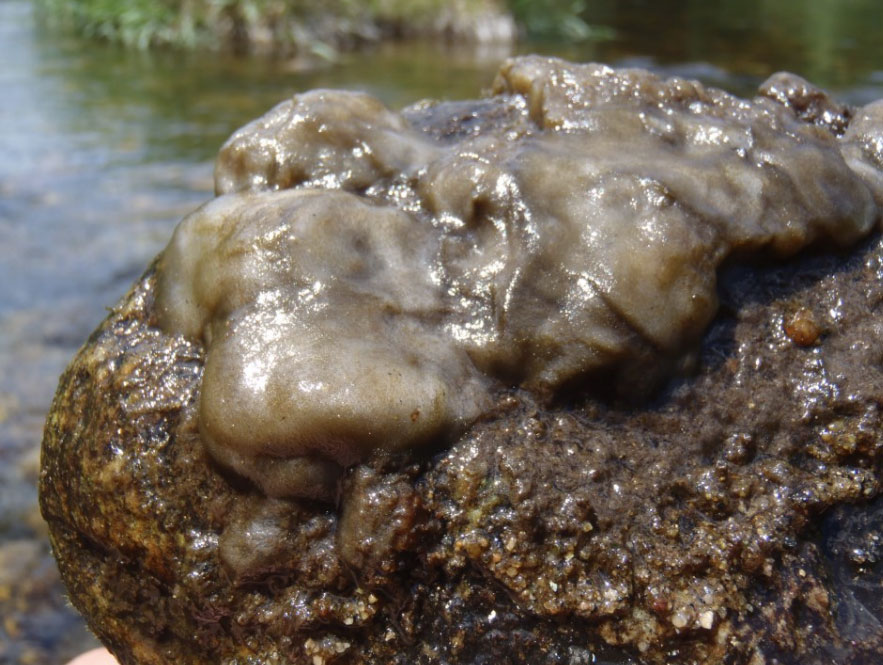
Help Fight Invasive Didymo
This alga can be detrimental to a river’s ecosystem for several reasons. Extensive blooms can cover the river bottom for several miles and smother native plants and insects, affecting the whole food chain. Lures can become entangled. Rocks become slippery to walk on, and the esthetic beauty of the river is lessened.
- Check, before you leave a river, stream, or lake, check items and leave debris at the site. If you find any later, treat and put it in the trash. Do not wash down drains.
- Clean, there are several ways to kill didymo. Choose the most suitable treatment for your situation which will not adversely affect your gear.
- Dry, drying will kill didymo, but slightly moist didymo can survive for months. To ensure didymo cells are dead by drying, the item must be completely dry to the touch, inside and out, then left dry for at least another 48 hours before use. If cleaning or drying is not practical, restrict equipment to a single waterway.